
Cryptocurrency in Hospitality: A Practical Guide for Business Success
07 April 2026
4 min for read

While crypto payments focus primarily on transactions, blockchain solutions address broader operational processes such as identity management, supply chains, or inventory systems. Understanding this distinction is key for hospitality businesses looking to adopt these technologies effectively. Let's dive into the benefits!

The Business Case for Cryptocurrency Payments in Hospitality
Financial advantages remain the primary driver behind cryptocurrency adoption in hospitality. Hotels accepting crypto payments benefit from lower transaction fees, typically around 1 to 2%. This reduction allows properties to improve margins or offer incentives such as discounts for crypto-paying guests.
Speed is another major benefit. Traditional international payments often involve intermediaries and delays. Cryptocurrency transactions, on the other hand, settle directly between parties, reducing friction and improving cash flow.
For international travelers, crypto eliminates the need for currency exchange. Guests can pay without worrying about conversion rates or additional banking fees, which makes the booking experience simpler and more predictable.
Additionally, crypto payments reduce the risk of chargebacks. Once a transaction is confirmed on the blockchain, it cannot be reversed, which protects businesses from fraudulent disputes.
Blockchain in Hospitality: A Separate Layer of Innovation
While crypto payments improve the financial side of transactions, blockchain technology introduces a separate set of opportunities. These solutions require dedicated implementation and do not come automatically with accepting cryptocurrencies.
For example, overbooking issues are not solved by crypto payments alone. They can be addressed through blockchain-based inventory systems that provide a shared and immutable record of room availability across platforms. This reduces discrepancies between booking channels.
Similarly, supply chain transparency is achieved through blockchain tracking systems that monitor goods such as food, linens, or amenities from supplier to hotel. This ensures authenticity and improves operational oversight.
Other blockchain applications in hospitality include:
• tokenized loyalty programs
• smart contracts for automated bookings
• inventory synchronization across distribution channels
• baggage tracking systems
These innovations represent a broader digital transformation layer that goes beyond payments.
How Crypto Payments Enhance the Guest Experience
From a guest perspective, the most immediate benefit comes from payment convenience. Crypto wallets allow travelers to complete transactions quickly and without intermediaries.
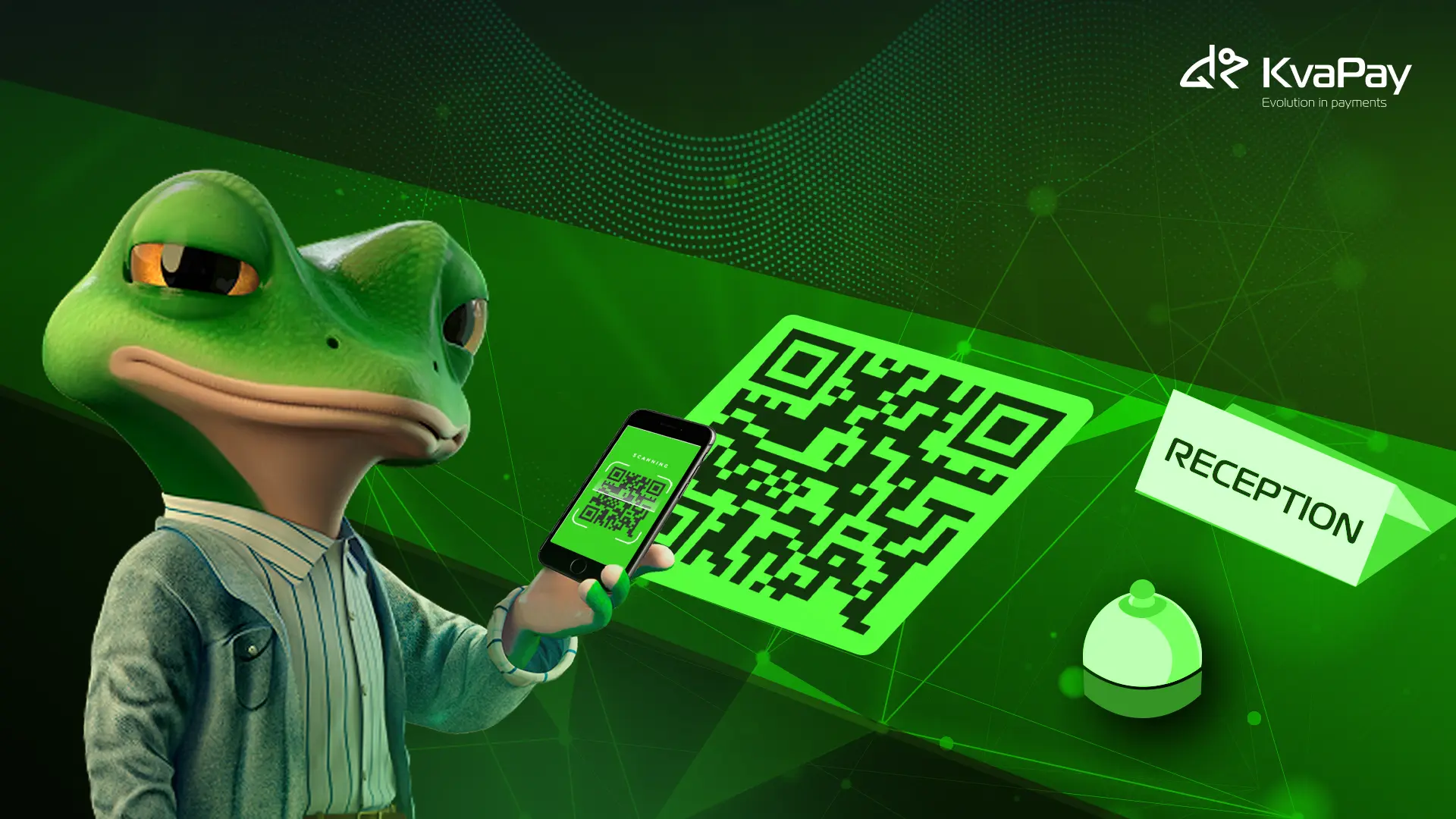
International visitors benefit the most, as they avoid exchange rates and banking fees. A simple QR code scan at check-in or check-out can complete the entire payment process.
Crypto payments also appeal to a specific demographic, including digital nomads and tech-savvy travelers. These guests often prefer decentralized financial tools and actively seek businesses that support them.

Real-World Success Stories: Payments vs. Blockchain
Leading hospitality brands demonstrate both approaches in practice.
Hotels such as The Kessler Collection or Palazzo Versace Dubai focus primarily on accepting cryptocurrencies as a payment method. Their main goal is to attract crypto users and simplify transactions.
On the other hand, companies like TUI are experimenting with blockchain beyond payments. Their Bed-Swap project uses blockchain technology for real-time inventory management across distribution systems.
Platforms like LockChain aim to remove intermediaries entirely by creating decentralized booking marketplaces. These examples show how blockchain can reshape infrastructure, not just payments.
Conclusion
Cryptocurrency adoption in hospitality offers clear and immediate benefits, especially in payments. Lower fees, faster settlements, and access to a growing segment of crypto users make it an attractive option for forward-thinking businesses.
At the same time, blockchain technology represents a separate layer of innovation. Its applications in identity, supply chain management, and inventory systems require additional investment and integration.
Hospitality businesses should therefore approach these technologies with a clear strategy. Accepting crypto payments is a practical first step. Implementing blockchain solutions, however, is a more complex transformation that must be planned independently.
Understanding this difference is essential for making informed decisions and avoiding unrealistic expectations.