
The Hidden Benefits of Blockchain in Business: Beyond Basic Transparency
18 March 2026
5 min for read

How Blockchain Transforms Traditional Business Operations
The practical implementation of blockchain in business goes far beyond recording transactions. Smart contracts stand out as one of the most significant advancements, fundamentally changing how companies conduct business operations.
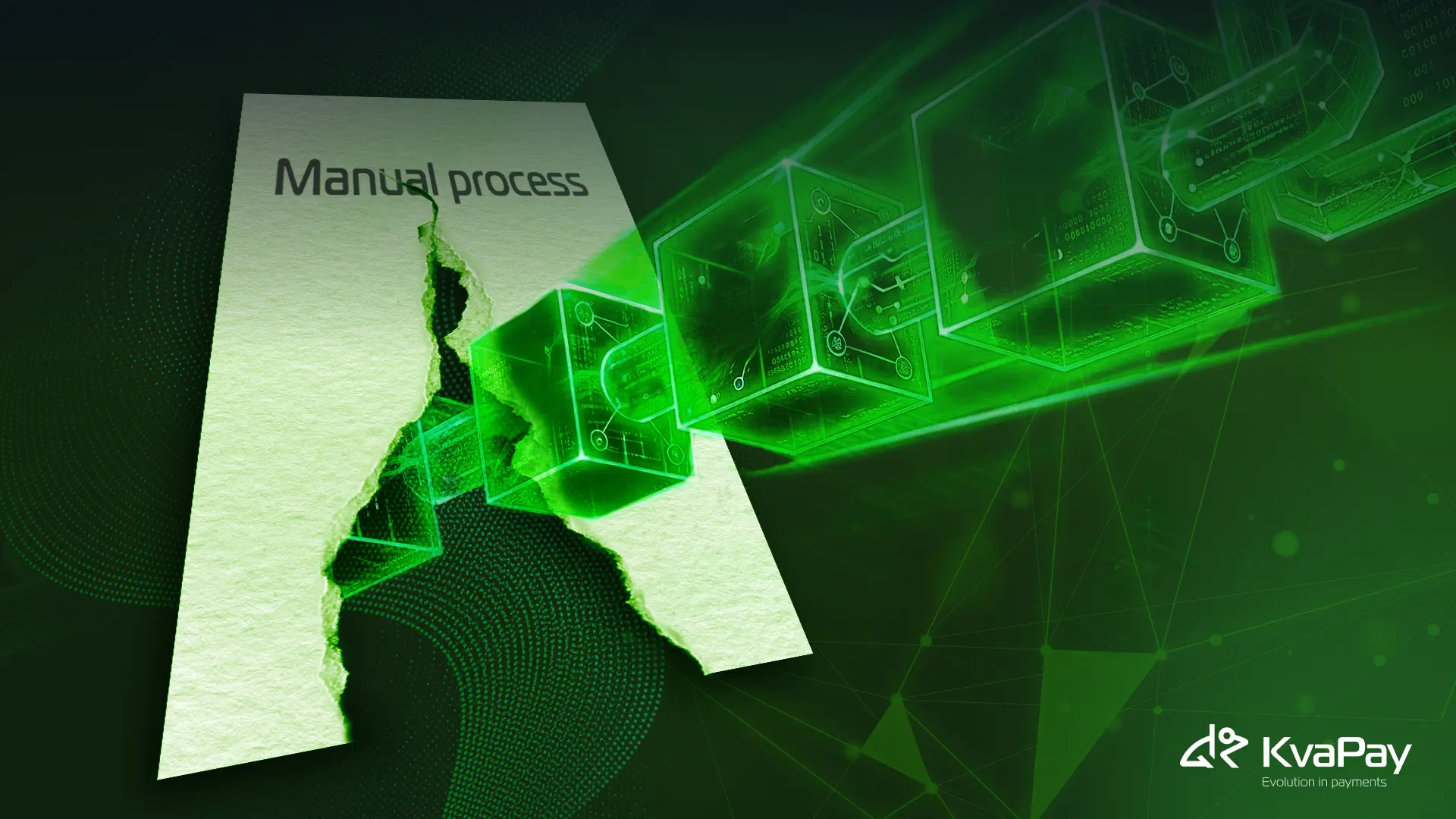
Smart contracts function as self-executing agreements where the terms between buyers and sellers are directly written into code. When you first implemented these in your company's supply chain, the immediate benefits became apparent. Unlike traditional contracts that require intermediaries, smart contracts automatically enforce obligations when predetermined conditions are met.
For businesses struggling with operational inefficiencies, blockchain offers several transformative advantages:
- Automated Verification - Smart contracts eliminate the need for manual document verification, reducing processing time from days to minutes.
- Reduced Administrative Costs - By removing intermediaries and automating compliance checks, companies can significantly lower operational expenses.
- Error Reduction - The immutable nature of blockchain records prevents data manipulation and reduces costly mistakes.
Furthermore, this technology enhances security protocols across organizations. Traditional systems often operate in silos, creating vulnerable points where information can be compromised. Blockchain's distributed ledger system ensures that data remains consistent across all nodes in the network.
Blockchain transparency benefits extend to inventory management as well. Companies can track products throughout the entire supply chain, from raw materials to finished goods. This comprehensive visibility allows for real-time adjustments to production schedules and distribution strategies.
Additionally, blockchain technology in business streamlines payment processes. International transactions that previously took days now complete in hours or even minutes. This efficiency is particularly valuable for companies with global operations.
Unlocking New Revenue Streams with Blockchain Technology
Beyond streamlining operations, blockchain technology creates entirely new business models and revenue streams previously impossible with traditional systems. Decentralized Finance (DeFi) stands at the forefront of this economic shift, offering businesses innovative ways to generate income.
DeFi represents an ecosystem of financial applications built on blockchain technology that enables peer-to-peer transactions without traditional intermediaries like banks. This elimination of middlemen not only reduces costs but opens direct revenue channels between businesses and customers.
There are three primary ways businesses can monetize blockchain technology:
- Decentralized Lending Platforms: These platforms allow users to lend cryptocurrencies without traditional financial institutions. As a business owner, you can provide liquidity to these platforms and earn interest—creating passive income streams while maintaining full control of my assets.
- Decentralized Exchanges (DEXs): Unlike centralized exchanges, DEXs facilitate peer-to-peer trading without central authorities. This creates opportunities for businesses to develop exchange services, earn transaction fees, and provide liquidity—all without the massive overhead of traditional financial infrastructure.
- Stablecoin Integration: Stablecoins maintain stable value relative to fiat currencies while offering blockchain benefits. For your business, accepting stablecoins for products or services reduces payment processing fees and eliminates chargebacks, directly improving profit margins.

What makes these revenue streams especially attractive is their accessibility. Any business with internet access can participate in the DeFi ecosystem.
First, small businesses can now access global markets without expensive banking relationships. Second, companies can tokenize existing assets—whether physical inventory or intellectual property—creating new liquidity. Finally, smart contract automation reduces overhead costs, transforming fixed expenses into potential profit.
Limitations and practical considerations
While the benefits of blockchain in business are compelling, it is important to acknowledge that the technology is not universally applicable to every use case. Implementing blockchain solutions often requires significant upfront investment, specialized technical expertise, and changes to existing processes.
Scalability, integration with legacy systems, and evolving regulatory frameworks can also present practical challenges, particularly for smaller organizations. For this reason, successful blockchain adoption typically depends on clearly defined business problems and a realistic assessment of whether decentralization provides meaningful value compared to more traditional solutions.
Gaining Competitive Advantage Through Early Blockchain Adoption
For businesses looking to stay ahead of competitors, early blockchain adoption offers distinct competitive advantages that extend beyond operational improvements. Companies that embrace this technology first gain substantial market positioning that late adopters simply cannot replicate.
Early blockchain adopters benefit from the first-mover advantage, establishing themselves as industry pioneers. This positions them as trusted authorities and innovation leaders in their sectors.
Trust represents another critical advantage. Consequently, businesses implementing blockchain transparency solutions build stronger customer relationships because verification happens instantly rather than through time-consuming traditional processes. In an era where consumer trust continues to erode, blockchain's immutable records create a foundation for authentic business relationships that competitors cannot easily match.
Data ownership also provides a substantial competitive edge. Traditionally, businesses rely on third-party platforms that ultimately control customer data. In contrast, blockchain technology allows companies to create decentralized data structures where:
- Customer information remains secure yet accessible
- Data sovereignty stays with the business rather than tech giants
- Proprietary information becomes protected from competitors
Naturally, early blockchain adoption comes with implementation costs. However, these initial investments typically yield long-term savings that continuously compound over time. As regulatory requirements around data protection grow stricter, blockchain-ready businesses face fewer compliance hurdles compared to competitors scrambling to adapt legacy systems.
Blockchain technology certainly represents more than a passing trend in the business world. As we've seen, its applications extend far beyond basic transparency - from transforming operations through smart contracts to creating new revenue streams via DeFi platforms.