
The Real Difference Between Ethereum and Bitcoin You Need to Know
05 May 2026
6 min for read

We'll explore these key differences between Bitcoin and Ethereum, examining their distinct purposes, technical architectures, and investment implications. Understanding these differences is crucial for anyone looking to navigate the cryptocurrency landscape effectively.
Core Purpose: Store of Value vs. Smart Platform
The fundamental difference between Bitcoin and Ethereum lies in their core design philosophies. Bitcoin emerged primarily as a decentralized digital currency, aiming to serve as a peer-to-peer electronic cash system that operates without central authority oversight. As time progressed, Bitcoin evolved into what many now call "digital gold" - a store of value designed to preserve wealth.
Unlike Bitcoin's singular focus, Ethereum was built with a broader vision. Launched in 2014, Ethereum was created to connect people globally through a system of smart contracts. These smart contracts - self-executing agreements with terms directly written into code - enable the creation of decentralized applications (dApps) that operate on shared standards across the Ethereum network.
Essentially, Bitcoin represents security, decentralization, and value preservation, while Ethereum provides a flexible platform for innovations across multiple sectors. Some experts even compare investing in Ethereum to investing in a technology company, given its role in powering innovative blockchain solutions.
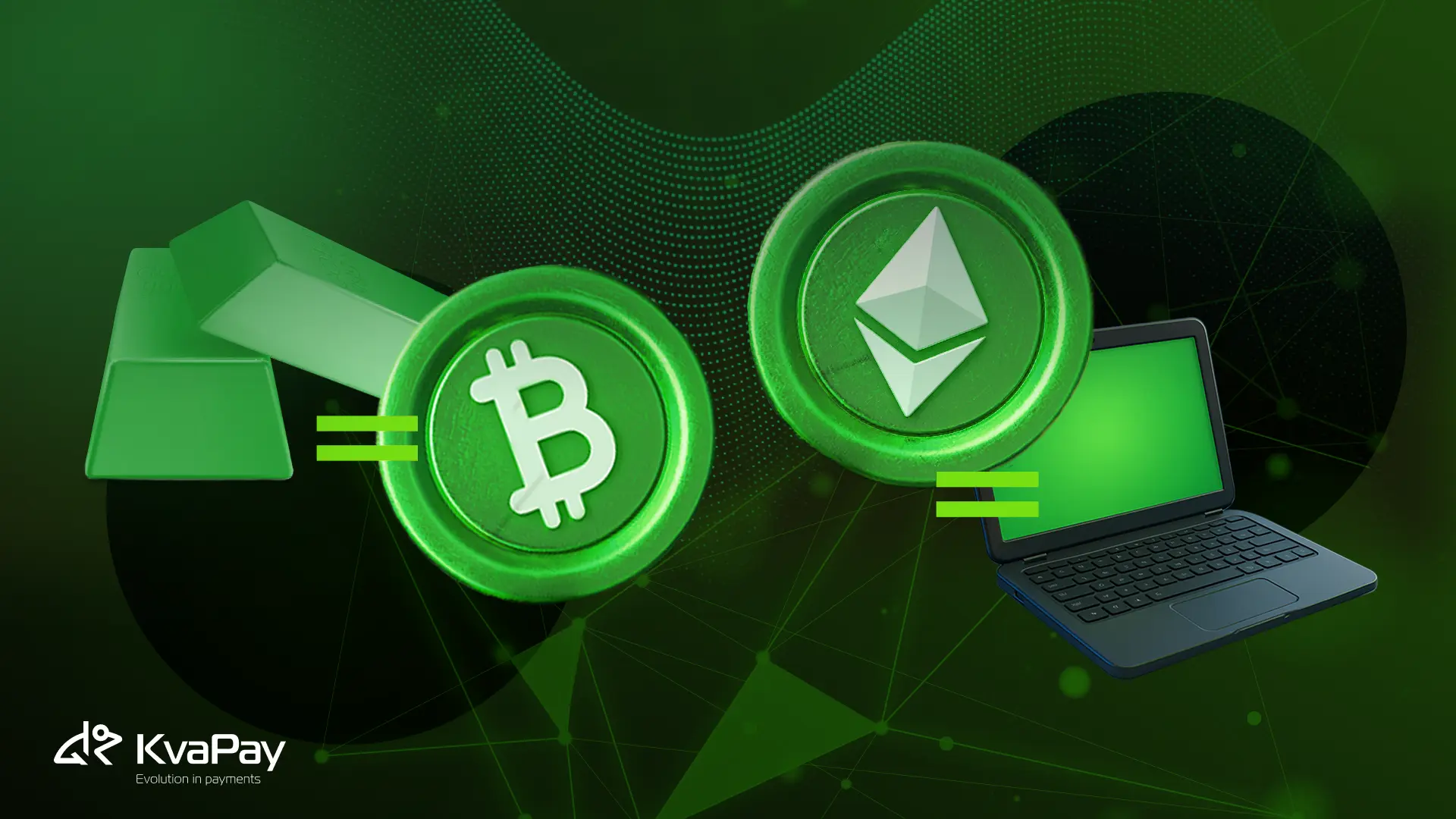
The architectural differences reflect these distinct purposes. Bitcoin's architecture prioritizes security and scarcity - only 21 million bitcoins will ever exist, helping preserve its value as long as demand persists. Meanwhile, Ethereum's design prioritizes versatility and adaptability for application developers.
What makes this relationship interesting is that Bitcoin and Ethereum aren't necessarily competitors but rather complementary forces. Bitcoin excels at representing value but has limited applications beyond functioning as money. On the other hand, Ethereum might be less scarce (and therefore typically less valuable per unit), but offers significantly more versatility.
The native token of Ethereum, ETH, serves dual purposes. Besides transferring value between parties, ETH powers the operation of smart contracts and the dApps built upon them. This functional utility distinguishes ETH from Bitcoin's more singular purpose as a store of value and medium of exchange.
Furthermore, Ethereum has gained substantial interest from major organizations. Giants like JPMorgan Chase & Co. and Microsoft recognize its potential as a groundbreaking platform. This institutional adoption further highlights Ethereum's unique position as both a cryptocurrency and a technological infrastructure with wide-ranging applications.
Why choose only one? Build a balanced crypto portfolio with Bitcoin and Ethereum on KvaPay today.
Technical Architecture That Shapes User Experience
Behind the scenes of Bitcoin and Ethereum lie distinct technical architectures that directly shape how users interact with these cryptocurrencies.
The blockchain technology powering both networks employs distributed ledger principles and cryptography, yet they operate quite differently in practice. Bitcoin's architecture prioritizes security and simplicity, with blocks added approximately every 10 minutes. Conversely, Ethereum processes blocks much faster—roughly every 12-15 seconds, resulting in notably quicker transaction confirmations.
A pivotal architectural distinction involves their consensus mechanisms. Bitcoin relies exclusively on Proof of Work (PoW), requiring miners to solve complex mathematical puzzles to validate transactions. Although secure, this approach demands substantial computational power and energy consumption. Meanwhile, Ethereum completed its transition to Proof of Stake (PoS) in September 2022, a shift that reportedly reduced its carbon footprint by approximately 99.9%.
Both networks handle transactions differently as well. Bitcoin's blockchain primarily records transaction information, whereas Ethereum's blockchain supports executable code. This fundamental distinction enables Ethereum to function as more than just a currency platform:
- Ethereum features its own programming language called Solidity
- It supports smart contracts—self-executing agreements with terms written directly into code
- It enables decentralized applications (dApps) through its Ethereum Virtual Machine (EVM)
The cost structure also differs substantially between these networks. Ethereum uses a "gas" pricing model where users pay for computational resources needed to execute transactions or run smart contracts [2]. Bitcoin's fee structure tends to fluctuate based on network congestion and block size limitations.
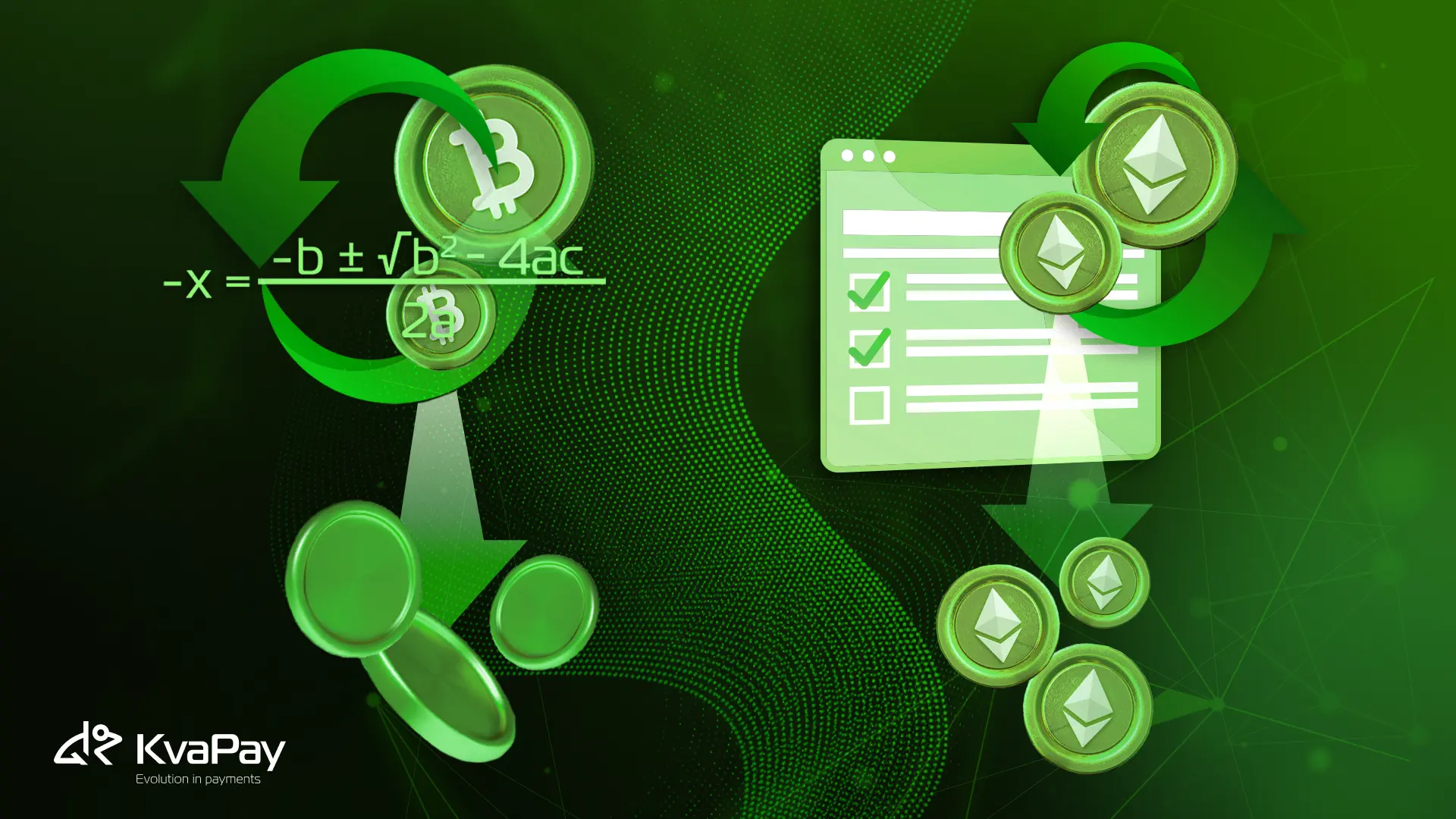
Additionally, Ethereum's smart contract capabilities enable composability—the ability for contracts to interact with each other—creating a more complex ecosystem. This feature allows developers to build increasingly sophisticated applications atop the Ethereum blockchain.
Although Bitcoin has recently expanded its smart contract functionality through innovations like Ordinals and secondary protocol layers, Ethereum remains primarily designed as a programmable blockchain supporting complex operations.
These architectural differences directly impact user experience: Bitcoin offers a more straightforward but limited interaction model focused on value transfer, while Ethereum provides a flexible platform supporting diverse applications yet requiring users to navigate a more complex fee structure and ecosystem. Whether you choose Bitcoin, Ethereum, or both, get started now with fast and secure crypto purchases on KvaPay.
Investment Implications of Ethereum Price vs. Bitcoin
When choosing between Bitcoin and Ethereum as investment vehicles, understanding their distinct market behaviors becomes crucial for building a strategic portfolio.
The price relationship between these cryptocurrencies reveals fascinating patterns. Despite their fundamental differences, BTC and ETH maintain a surprisingly high correlation, ranging from +0.36 to nearly +1 over recent years and hovering around +0.85 for the past year. This close relationship means they often move in similar directions, yet with different magnitudes.
Risk profiles distinctly separate these assets. Bitcoin demonstrates approximately 42% annualized volatility in daily price movements, while Ethereum shows significantly higher volatility at about 59%. Consequently, during market upswings, ETH typically rises more dramatically than BTC, but likewise falls more sharply during downturns.

Their market capitalizations highlight their positions in the crypto ecosystem. Bitcoin's 1.61 trillion USD market cap substantially overshadows Ethereum's 286 billion. Together, they comprise nearly 72% of the entire global cryptocurrency market.
External factors uniquely influence each cryptocurrency. Ethereum price relative to Bitcoin shows modest positive correlation (around +0.2) with technology stocks. Surprisingly, a stronger US dollar tends to negatively impact ETH more than BTC, with correlation around -0.2.
For investors, this translates to distinct investment cases. Bitcoin generally serves as a more established, relatively safer option—comparable to "digital gold" for those seeking stability and inflation hedging. Ethereum, with its programmable nature and ecosystem of decentralized applications, offers potentially higher rewards but with increased volatility.
Many financial advisors suggest balancing both assets might provide the optimal approach—Bitcoin delivering relative stability and store-of-value characteristics, with Ethereum offering exposure to blockchain's newest applications and growth potential.
Conclusion
Understanding the distinctions between Bitcoin and Ethereum proves essential for anyone venturing into cryptocurrency investments. While Bitcoin stands firm as digital gold with its fixed supply and value preservation focus, Ethereum continues evolving as a dynamic platform powering countless blockchain innovations.
These cryptocurrencies serve different yet complementary roles in an investment portfolio. Bitcoin offers relative stability through its straightforward value proposition and established market position. Ethereum, though more volatile, presents growth potential through its expanding ecosystem of decentralized applications and smart contracts.
Market data clearly shows both assets can deliver substantial returns, albeit with different risk profiles. Bitcoin's lower volatility makes it suitable as a foundational cryptocurrency investment, whereas Ethereum's higher potential returns come with increased price swings.
Rather than choosing between these leading cryptocurrencies, consider how their unique strengths might work together in your portfolio. Bitcoin's stability paired with Ethereum's innovation potential creates a balanced approach to cryptocurrency investment, allowing you to benefit from both the established and emerging aspects of blockchain technology.